


Exercise Physiology in Australia: Medicare, DVA, NDIS, WorkCover & Clinical Care Explained
Updated: Aug 12
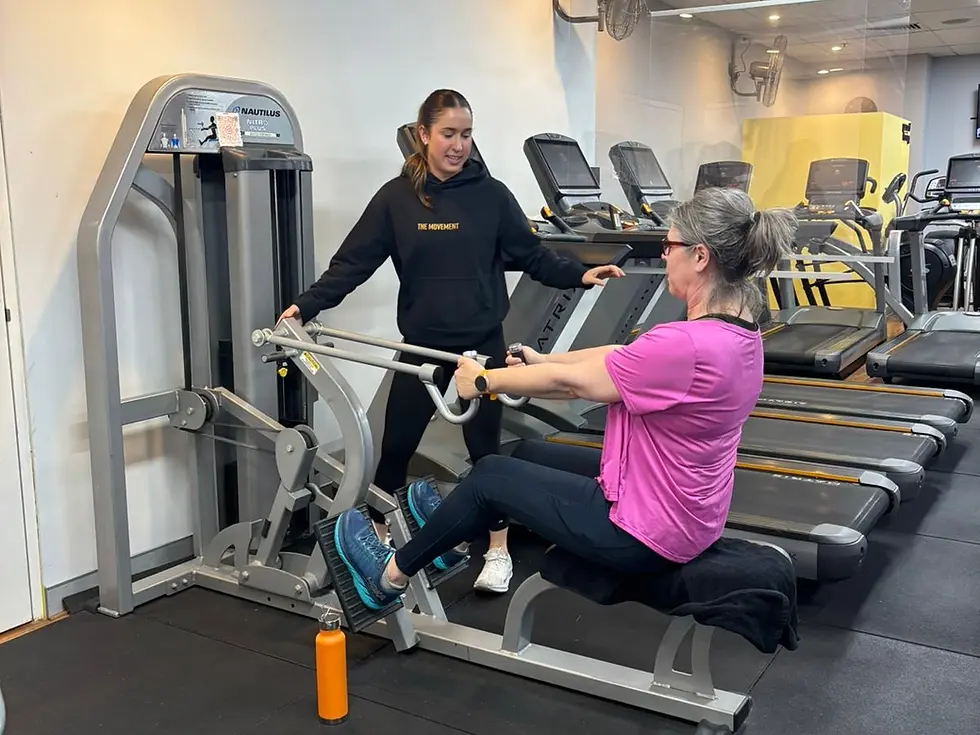
Dealing with constant pain, managing any long-term condition, or confused about how to safely get back to exercise? Well, you aren’t the only one experiencing this; many people face confusion about where exercise fits within clinical care and medical treatment plans. That’s exactly why exercise physiology exists, and why understanding it matters. So, we have made this guide which breaks down how exercise physiology works across Medicare, DVA, NDIS, and WorkCover, and how it delivers safe care as per your condition. Come, let’s get right into it.
Key Takeaways
|
What Is Exercise Physiology and Why Does It Matter?
Understanding Exercise Physiology and Accredited Exercise Physiologists
Exercise physiology is clinically focused and made for people with injuries, chronic disease, or complex health needs.
One of the most curious questions in the minds of patients is who are accredited exercise physiologists (AEP) and what is their role? An Accredited Exercise Physiologist (AEP) educates patients, tracks progress, adjusts treatment plans, and communicates with GPs and specialists, and is accountable to professional standards.
What ESSA Accreditation Means for Your Care
Exercise & Sports Science Australia (ESSA) is the professional body governing exercise physiology. To hold the credentials, a practitioner must complete a minimum four-year university degree in exercise physiology and maintain ongoing professional development. ESSA accreditation means that your clinician meets national standards for safe, evidence-based practice and is eligible to provide services under Medicare, DVA, NDIS, and WorkCover schemes.
Why are AEPs recognised as Allied Health Professionals in Australia?
AEPs are formally recognised as allied health professionals under Australian law, because they deliver clinically proven, evidence-based exercise interventions that play an important role in preventing and managing chronic diseases. Under the:
Medicare Benefits Schedule
DVA funding
NDIS Capacity Building and improved health and well being budgets
NSW workers compensation system
your provider must hold current ESSA accreditation to deliver and bill for services.
How an AEP Designs Your Exercise Program
First, they will take an individual assessment on the basis of medical history, function, and goals
Risk stratification will be done based on your condition
Give you a proper progressive exercise prescription
Keeps tabs on outcomes and suggests changes accordingly
How Exercise Becomes Medicine for Chronic Conditions
What Conditions Respond Best to Exercise Physiology
Diabetes
Cardiovascular disease
Osteoporosis
Arthritis
Chronic low back pain
Obesity
Cancer recovery
Neurological conditions
Musculoskeletal conditions
Evidence-Based Exercise to Reduce Medication Dependence
When you do regular exercises, it affects your body in similar ways to many medicines. For example, if you have high blood pressure, aerobic exercise can lower it by improving blood vessels. Or someone who is struggling with depression can also benefit from exercise, which changes brain chemicals like serotonin and BDNF, like antidepressants. For those eligible, accessing care through programs like Medicare-subsidized EP sessions can make this support more accessible.
When Exercise Is More Effective Than Passive Treatment
Exercise becomes more effective when the goal is to restore movement and achieve long-term recovery rather than short-term symptom relief, especially in ongoing or recurring conditions. Passive treatments, like massage and rest, address symptoms temporarily but do not restore function. For musculoskeletal conditions like chronic low back pain or osteoarthritis, clinical guidelines now consistently recommend active exercise-based rehabilitation over passive approaches as first-line treatment.
What to Expect in Your First Exercise Physiology Assessment
Functional testing of your strength, mobility, and endurance.
Baseline clinical measures like BP and HR
Goal setting and treatment planning
Medicare EPC and Chronic Disease Management in Australia
How the Medicare CDM Plan Works for Exercise Physiology
What the EPC/CDM Plan Is and Who Can Access It
The Medicare Chronic Disease Management (CDM) plan, which was previously known as the Enhanced Primary Care (EPC) plan, is a structured government program that allows Australians with chronic conditions to access subsidised allied health services, including exercise physiology.
It can be accessed by:
Patients who have had chronic conditions for more than 6+ months.
Patients requiring multidisciplinary care.
How to Get a GP Referral for Exercise Physiology
Speak with your GP about your chronic condition and request a CDM plan. If your GP is certain that exercise physiology is clinically appropriate for your condition, they will complete a referral under MBS item 10953. You can then bring that referral to an ESSA-accredited exercise physiologist registered with Medicare. Some clinics accept the referral form directly from your GP's rooms.
How Many Sessions Does Medicare Cover Per Calendar Year
Medicare covers up to 5 individual allied health sessions per calendar year across all disciplines combined. These sessions must be at least 20 minutes and done face-to-face.
Managing Chronic Disease Through Structured Exercise
Controls Blood Sugar in Type 2 Diabetes
Aerobic exercise, such as cycling or brisk walking, increases insulin-independent glucose uptake, and resistance training builds muscle mass, which improves long-term insulin sensitivity.
Controls Lower Blood Pressure Naturally
Regular aerobic exercise reduces peripheral vascular resistance and improves arterial compliance, thereby lowering both systolic and diastolic blood pressure. These effects are similar to those of some antihypertensive medications.
Resistance Training Slows Bone Loss in Osteoporosis
The weight-bearing and resistance exercises activate bone-building cells, slow the loss of bone density, lower fracture risk, and improve muscle strength and balance. If you need to have a detailed reading on this, please checkout our blog on build bone that lasts: the missing piece in osteoporosis prevention.
Managing Arthritis and Joint Pain With Targeted Movement
Having supervised exercise can gradually reduce joint pain and help people move better if they have osteoarthritis. Your AEP will choose gentle, low-impact activities like cycling, hydrotherapy, and resistance training, and slowly increase the intensity to improve strength and reduce pain.
DVA Exercise Physiology for Veterans
What the DVA Gold Card Covers for Exercise Physiology
It covers clinically necessary treatment for all medical conditions in Australia and not just service-related ones. Veterans have access to exercise physiology at no out-of-pocket cost, where the provider bulk-bills under DVA.
How DVA White Card Holders Access Accepted Condition Services
This one covers treatment for accepted service-related conditions only. Veterans with at least one day of continuous full-time service can also access mental health treatment under Non-Liability Health Care (NLHC) arrangements.
Need to know more about the DVA program’s effects on your health? Go through our blog on how DVA fitness programs help physical and mental health.
What No Gap Fee Bulk Billing Means
When a DVA-registered AEP accepts your card, they accept the DVA fee as full payment, and no gap fee can be charged. DVA funds up to 12 sessions per referral cycle. Your GP can provide further referrals with no cap on total cycles.
How to Get a Referral as a DVA-Registered Client
It is very simple. Your GP completes the DVA referral form D904 and sends it to your chosen clinic. Keep in mind that all referrals must come from a GP or medical specialist; the allied health providers cannot refer you to another allied health provider under the DVA system.
What Exercise Physiology Treats in Veterans' Health
With Structured Exercise to Reduce PTSD Symptoms
Aerobic exercise reduces hyperarousal by downregulating the sympathetic nervous system and regulating cortisol. Resistance training improves sleep and rebuilds physical agency. These are both delivered in a trauma-informed manner by AEPs trained in veteran-specific mental health contexts.
Rehabilitation, Cardiovascular Risk and Adaptive Fitness
Progressive loading programs restore strength after spinal pain, joint damage, or post-surgical recovery. Veterans also face cardiovascular risk from chronic stress, so AEPs prescribe aerobic conditioning to lower BP and improve lipid profiles. For veterans with limb loss, programs are adapted using upper body conditioning, seated resistance training, and aquatic exercise to build functional independence.
Workers' Compensation and Workplace Injury Rehabilitation
How SIRA Approval Works for Exercise Physiologists in NSW
The State Insurance Regulatory Authority (SIRA) regulates the NSW workers' compensation system. AEPs must hold ESSA accreditation and complete SIRA-specific training to gain a provider number before treating injured workers. Approval is valid for three years.
What WorkCover Exercise Physiology Covers After Injury
It includes assessments, functional rehabilitation, and graduated return-to-work conditioning.
How to Start a WorkCover Claim for Exercise Physiology
Your nominated treating doctor writes a referral. You present this to a SIRA-approved AEP, who contacts the insurer to confirm approval before commencing sessions.
NSW Clinical Framework Requires for Treatment
All allied health providers in the scheme must follow SIRA's clinical framework, which focuses on recovery and return to work, is based on evidence, promotes self-management, and provides progress reports to the insurer and treating doctor.
Rehabilitating Workplace Injuries Through Exercise
Managing Psychological Work Injuries With Structured Movement
For any psychological injury claims, structured exercise also helps restore a sense of control, routine, and confidence in daily functioning, supporting a gradual return to normal activities. Exercise reduces physiological arousal, improves mood, and rebuilds daily routine.
What a Return-to-Work Exercise Program Looks Like
Your AEP identifies the physical demands of your role and builds a task-specific conditioning program with clear functional milestones, documented and communicated to your treating doctor and case manager.
How Exercise Physiologists Liaise With Insurers and GPs
They provide an:
Initial assessment report
Progress reports at set intervals, and
Discharge summary
NDIS Exercise Physiology for Participants
NDIS Funding Categories That Cover Exercise Physiology
Exercise physiology is funded under capacity building in following categories:
Core Supports – Assistance with Daily Life
Core Supports – Assistance with Social & Community Participation
Capacity Building – Improved Health and Wellbeing
Capacity Building – Improved Daily Living
What Self-Managed and Plan-Managed Participants Can Access
Self-managed and plan-managed participants can access any ESSA-accredited AEP regardless of NDIS registration. Self-managed participants claim via myGov; plan-managed participants have their plan manager coordinate payment directly.
How ESSA Accreditation Qualifies Providers Under NDIS
ESSA accreditation confirms appropriate university qualifications, professional indemnity insurance, and accountability to a professional code of conduct.
Building Functional Capacity for NDIS Participants
Exercises to Improve Independence in Daily Living Tasks

Condition and Symptom Management Through Tailored Exercise
Many participants live with co-occurring chronic conditions alongside their primary disability. Exercise physiology addresses both simultaneously.
Where are NDIS sessions delivered?
Sessions are delivered in clinic, at home, in community settings, or via telehealth, whichever is most functional and accessible for you.
Antenatal, Postnatal, and Women's Health Exercise
What the 2022 Australian Pregnancy Physical Activity Guidelines Say
It recommends that women without complications should meet standard adult activity guidelines (150–300 minutes of moderate activity or 75–150 minutes of vigorous activity per week); modify exercises as pregnancy progresses; perform pelvic floor exercises, and take an active role in decision-making with their health professional.
You can also have a look at our full guide on what Is strength and conditioning | key components and assessment.
Which Exercises Are Safe and Which to Avoid During Pregnancy

How Pelvic Floor Training Is Built Into Antenatal Programs
An AEP assesses pelvic floor function, teaches correct activation, and prescribes a progressive program that manages intra-abdominal pressure during all other exercises.
When to See an Exercise Physiologist Before or During Pregnancy
Situation | Recommended Action |
Pre-existing chronic conditions like diabetes, hypertension, or cardiac | AEP assessment before conception or in the first trimester |
Previously inactive, wanting to start exercising | AEP assessment in the first trimester |
History of pelvic floor dysfunction or prolapse | AEP referral at confirmation of pregnancy |
Planning return to high-impact exercise postpartum | AEP clearance after 6-week postnatal check |
Postnatal Recovery and Return to Exercise
Three Phases of Postnatal Recovery
Phase 1 (0–6 weeks): Rest, gentle pelvic floor activation, diaphragmatic breathing. No resistance or cardiovascular load.
Phase 2 (6–12 weeks): Graduated core rehab and light resistance training after 6-week clearance.
Phase 3 (3+ months): Progressive return to full activity guided by symptom response.
Core and Pelvic Floor Rehab Come Before Cardio
These are like load-bearing foundations, so without their recovery, high-impact activity forces pressure downward, causing leakage, prolapse, or diastasis recti.
Strength Training to Support Postpartum Hormonal Health
The muscle contractions during training trigger hormonal signalling that restores oestrogen-sensitive pathways, regulates cortisol, improves insulin sensitivity, and stimulates bone remodelling to reverse lactation-related loss. You can also give a read to our blog on the postpartum recovery exercise routine that supports faster recovery and core strength.
When Is It Safe to Return to High-Intensity Exercise Postpartum
If you can walk 30 minutes without incontinence or heaviness
Balance on one leg for 10 seconds
Complete 20 single-leg calf raises without symptoms
If you are a working mom looking to regain fitness safely, you can also read our blog on why strength training is better than HIIT for busy moms over 30, which explains a more recovery-friendly approach.
Paediatric Exercise Physiology
What is recommended for Children Aged 5–17
Australian guidelines recommend at least 60 minutes of activity daily for children, including muscle-strengthening activities at least three days per week.
How Exercise Physiology Differs From General Sport
AEPs adjust intensity, environment, communication style, and sensory considerations to meet the child's individual medical and developmental needs, and track clinical outcomes in ways coaching staff doesn’t.
Childhood Conditions That Respond to Prescribed Exercise
Obesity
Autism
Cerebral palsy
ADHD, etc.
How an AEP Creates Age-Appropriate Programs for Children
Programs are built around play, motivation, and developmental appropriateness for younger children or those with intellectual disabilities.
Supporting Children With Disabilities and Developmental Conditions
Exercise to Build Motor Skills in Children With Autism
Exercise programs such as obstacle courses and balance training focus on coordination and bilateral movement. These help children with autism provide a structured and predictable environment, which they find calming, and build their motor skills.
Managing Cerebral Palsy and Down Syndrome Through Movement
For cerebral palsy, training improves muscle function and reduces limitations from spasticity. For Down syndrome, programs address hypotonia, joint hypermobility, and cardiovascular risk, adapted to each child's specific presentation.
Addressing Childhood Obesity Safely With Exercise Prescription
Your AEPs will use a health-focused approach that avoids judgment, focusing on fun, movement, and slow progress and working with families to build lasting habits at home.
Ageing, Aged Care and Falls Prevention
Strength and Balance Training Reduces Falls Risk After 60
When you are over 60, age-related muscle loss accelerates. So, resistance training helps maintain muscle and metabolism, while balance exercises improve stability and prevent falls.
What Exercise Physiology Offers That a Gym Cannot
It offers:
Clinical assessment
Safe prescription for complex health conditions
GP coordination
How Sydney Local Health District Supports Exercise in Older Adults
The Sydney Local Health District integrates exercise physiology into falls prevention, cardiac rehabilitation, and pulmonary rehabilitation programs, which are often accessible at low or no cost via GP referral.
Exercise Physiology in Residential and Home Care Settings
Home Visits to Deliver Exercise Physiology for Older Clients
The AEP assesses your home for falls hazards and designs a program targeting real daily tasks like:
Getting on and off the toilet
Using stairs
Moving through the kitchen
As the goal is to preserve the capacity needed for independence!
Working With Aged Care Providers and NDIS Support Workers
AEPs provide written program guides for NDIS support workers and communicate regularly with facility staff to add exercise into the client's daily routine between formal sessions.
Telehealth for Extended Care to Housebound Older Adults
Telehealth provides sessions and program coaching via video for older adults who cannot attend a clinic. This comes in handy for those in rural NSW or who have respiratory or immune conditions.
Strength Training, Weight Loss, and Performance
How AEPs Apply Progressive Overload Safely for Every Client
Progressive overload is applied with clinical precision, keeping in mind your medical history, current capacity, and recovery. It later increases in a controlled, measurable manner to avoid any injury.
What Distinguishes a Clinical Strength Program From a Gym Plan
A clinical program begins with a strength baseline assessment, medication effects, and cardiovascular risk factors.
How Body Recomposition Works Through Prescribed Exercise
Body recomposition works by using structured strength training to stimulate muscle growth while maintaining a controlled calorie balance and adequate protein intake to promote fat loss simultaneously. Therefore, understanding how to combine cardio and strength for weight loss can further enhance results. Your AEP plans exercise and works with a dietitian for better long-term results.
When to Choose an Exercise Physiologist Over a Personal Trainer
Choose an AEP if:
You have a long-term condition
Recovering from surgery
Had bad reactions to exercise before
Strength Training for Women Through Menopause and Hormonal Change
How Oestrogen Decline Changes How Women Should Train
Oestrogen decline leads to muscle loss, increases central adiposity, reduces bone density, and disrupts insulin sensitivity. These changes lead to the proper prescription of exercise that addresses these concerns.
Strength Training to Supports Metabolism and Hormones
It preserves muscle, improves bone health, boosts metabolism, lowers cortisol, and boosts insulin sensitivity. In the end, the menopausal women have better mood, cognitive function, and overall metabolic health, reinforcing the role of strength training to support hormone balance during menopause.
Weekly Strength Routine Looks Like
It will have 2–3 resistance sessions per week targeting all major muscle groups with compound movements, progressively loaded over 6–12-week cycles, with 45–60-minute sessions and adequate rest for recovery.
Home Visits, Online Coaching, and Telehealth
How Home Visit Exercise Physiology Sessions Are Structured
The AEP first checks that your surroundings are safe, then guides your session step by step. Programs are easy to follow between visits, helping you build confidence to exercise independently at home.
What to Expect From Online Coaching
You get written and video guidance, plus regular check-in calls to track progress and make changes. This option is ideal for motivated people needing flexibility.
How Telehealth Enables Continuity of Care in NSW
Medicare and DVA telehealth item numbers allow exercise physiology to continue for regional clients, those with transport limitations, or those managing acute illness.
When is it Better Than Clinic Visits?
It is preferable when you have:
Transport limitation
Post-surgery issues
Been immunocompromised
Private Health Insurance and Funding Access
Which Australian Health Funds Cover Exercise Physiology
Most major funds, such as:
Medibank
Bupa
HCF
NIB, etc.
include exercise physiology under extras cover, though benefits vary by policy tier.
Extras Cover Works for Allied Health Services
Preferred providers may bill the fund directly; non-preferred providers require you to pay upfront and claim reimbursement through your fund's app.
Annual Limits and Gap Fees Mean
Extras benefits are subject to annual limits (typically $300–$600 per year), waiting periods (usually 2 months), and per-session limits. A gap fee is the difference between what your provider charges and what the fund pays.
When to Use Private Health Instead of Medicare or DVA
You can use private health when your 5 Medicare CDM sessions are over, your condition doesn't qualify for CDM, or you need more sessions than government schemes provide. DVA covers all costs for eligible veterans and should always be used first.
Professional Standards, Compliance, and Authority
The ESSA Sets and Enforces AEP Professional Standards
ESSA sets educational standards, competency requirements, and a code of conduct for all AEPs enforced through a complaints process, CPD requirements, and the power to suspend or revoke accreditation.
SIRA Approval Confirms Compliance for WorkCover Exercise Physiologists
SIRA approval confirms the AEP has completed scheme-specific training, understands the legal framework, and is accountable to the conditions of approval.
How DVA Provider Registration Ensures Veteran Service Quality
Those who provide DVA services must hold ESSA accreditation and Services Australia registration. DVA conducts annual reviews of unusual claiming patterns to protect veterans from substandard care.
What the NDIS Quality and Safeguards Commission Requires
Registered NDIS providers must comply with NDIS Practice Standards, which means maintaining qualifications, implementing participant rights frameworks, and undergoing regular audits. Unregistered providers should hold current ESSA accreditation as a minimum safeguard.
Evidence-Based Guidelines That Inform Our Practice
ESSA's Recommendation Position Statement on Cancer Exercise
ESSA recognises exercise as a critical component of cancer care, reducing fatigue and improving physical function. AEPs delivering cancer programs are trained in precautions during chemotherapy, radiation, and surgical recovery.
COSA Position Statement which Guides Cancer Rehab Programs
The Clinical Oncology Society of Australia (COSA) recommends that all people with cancer be referred to an exercise physiologist and that exercise be embedded as standard, not optional, cancer care.
Pregnancy Exercise Guidelines that Protect Antenatal Clients
These guidelines provide AEPs with evidence-based guidance on safe exercise throughout pregnancy, such as identifying contraindications, warning signs, and safe intensity ranges for previously active and inactive women.
Conclusion
So, your next step is simply to have your first conversation with your GP, your NDIS coordinator, or an ESSA-accredited AEP near you. To help you in this process, The Movement EP is right here. We serve our clients through the clinic, home visits, and online coaching. Our ESSA-accredited exercise physiologists deliver evidence-based care across Medicare, DVA, NDIS, and WorkCover.
Stop managing. Start moving. Book your session with us today!!
Frequently Asked Questions
Can I visit an EP without a GP referral?
Yes, there is no referral needed for private consultations. Medicare, DVA, and WorkCover require one.
How long will one session last?
Medicare-funded sessions run a minimum of 20 minutes. Whereas the standard clinical sessions typically run 45–60 minutes.
Can exercise physiology help me with my mental health?
Prescribed exercise reduces symptoms of depression, anxiety, and PTSD through neurochemical regulation.
How many sessions will I need before seeing results?
Most clients notice improvements within 4–6 weeks; lasting outcomes typically develop over 3–6 months.
Can I use both Medicare and private health insurance for exercise physiology?
No, you cannot double-claim the same session.



Comments