


Who are Accredited Exercise Physiologists (AEP) and What is Their Role
Updated: Mar 26

Accredited Exercise Physiologists (AEPs) are increasingly recognised as essential contributors to Australia’s allied health workforce, particularly as chronic conditions continue to rise nationwide. Many people are surprised to learn that AEPs are university-trained clinicians who specialise in prescribing exercise as evidence-based treatment, not just for fitness, but for the prevention and management of long-term health conditions. Their work is grounded in clinical research showing that structured physical activity can significantly improve health outcomes across a wide range of chronic diseases.
In this blog, we’ll explore exactly who they are and the accredited Exercise Physiologist role in helping people live healthier, more independent lives. Let’s begin!
Summary: Who Are Accredited Exercise Physiologists and Their RoleAccredited Exercise Physiologists (AEPs) are university-qualified allied health professionals who use evidence-based exercise to prevent, manage, and rehabilitate chronic conditions. They work with diverse populations, including older adults, people with disabilities, chronic diseases, or mental health conditions. Their role includes clinical assessment, personalised exercise prescription, lifestyle and behaviour support, injury prevention, and collaboration with healthcare teams to enhance functional independence, health outcomes, and overall quality of life. |
What Is an Accredited Exercise Physiologist (AEP)?
Wondering what is an accredited Exercise Physiologist (AEP) is? Well, they are a university-qualified allied health professional with at least four years of specialised study in clinical exercise science, followed by national accreditation through Exercise & Sports Science Australia (ESSA). AEPs are experts in how the body responds to exercise in both healthy and medically complex populations. They are trained to assess, design, and deliver safe, evidence-based exercise interventions for people with chronic conditions. While a fitness coach Leichhardt provides excellent guidance for building strength and overall well-being, an AEP operates in a clinical setting, often working with GPs and specialists to manage long-term health conditions.
Conditions and Populations AEPs Work With
Cardiovascular Conditions
AEPs support people with coronary artery disease, heart failure, and hypertension, as well as those recovering from cardiac events or surgery. They design exercise programs that improve heart function, circulation, lower blood pressure, and reduce future cardiac risks.
Metabolic and Endocrine Disorders
Individuals with type 1 and type 2 diabetes, prediabetes, insulin resistance, and obesity can also get the assistance of AEPs. They tailor exercise that improves insulin sensitivity, regulates blood glucose, supports weight management, and reduces the risk of long-term complications.
Musculoskeletal Conditions
For chronic lower-back pain, osteoarthritis, rheumatoid arthritis, osteoporosis, and post-surgical rehab, AEPs provide programs to strengthen muscles, stabilize joints, reduce pain, and improve mobility and functional independence.
Respiratory Conditions
AEPs help patients with COPD, asthma, and restrictive lung diseases by designing exercise that enhances lung capacity, endurance, and exercise tolerance, while reducing symptoms and hospital admissions.
Neurological Conditions
Individuals with stroke, Parkinson’s disease, multiple sclerosis, and neuropathies benefit from AEP-guided exercise to improve strength, balance, coordination, and functional independence, while slowing disease progression and reducing fall risk.
Cancer Patients
AEPs assist cancer patients before, during, and after treatment, focusing on maintaining strength, managing fatigue, and improving cardiovascular fitness. Exercise supports recovery, reduces treatment side effects, and enhances overall quality of life.
Mental Health Conditions
They design exercise programs for depression, anxiety, PTSD, and stress-related disorders. Physical activity improves mood, sleep, stress resilience, and complements traditional mental health therapies.
Older Adults
For seniors, AEPs focus on strength, balance, mobility, and endurance to prevent falls, reduce frailty, and slow muscle loss, helping older adults maintain independence and quality of life.
People Living With Disability (Including NDIS Participants)
AEPs provide tailored exercise for physical, intellectual, or developmental disabilities, aiming to improve strength, mobility, function, and participation while reducing secondary health risks.
Complex or Multi-morbid Patients
They manage patients with multiple chronic conditions by creating integrated, safe exercise programs that improve cardiovascular, metabolic, musculoskeletal, and mental health outcomes simultaneously, enhancing overall quality of life.
What is the Role of an Accredited Exercise Physiologist?
Post understanding what an accredited Exercise Physiologist is and the populations they treat, it’s time to confer their role. Here’s what these professionals do:
Clinical Assessment and Evaluation
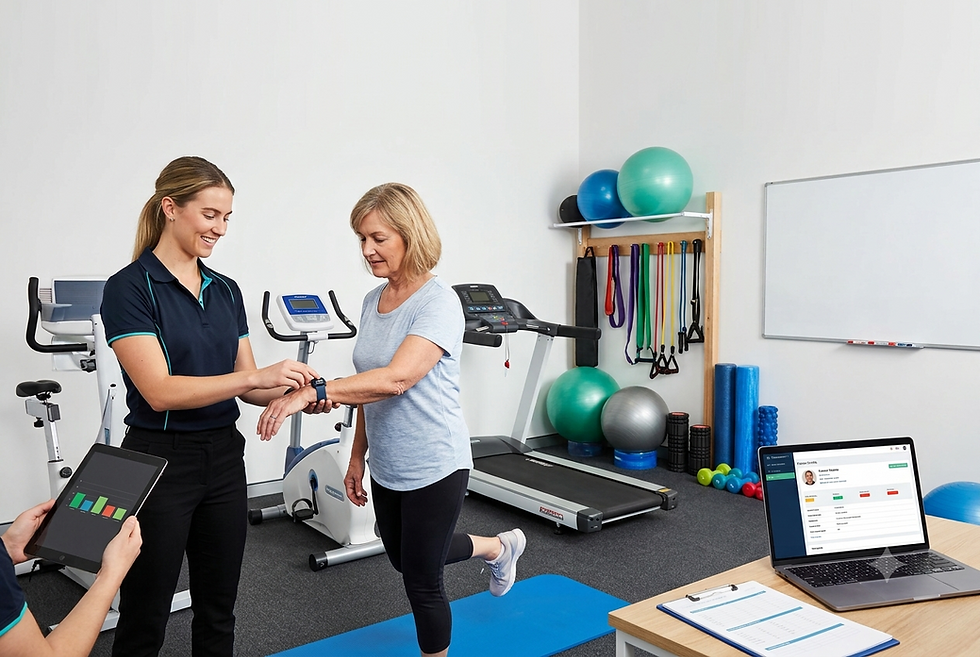
AEPs begin by conducting thorough assessments of an individual’s physical health, functional capacity, and movement patterns. They review medical history, chronic conditions, injuries, and lifestyle factors to design safe and effective exercise programs. Using evidence-based tools such as cardiovascular fitness tests, strength measurements, flexibility assessments, and balance evaluations, they identify areas for improvement and potential risks, ensuring the exercise plan is personalized and clinically appropriate.
Exercise Prescription and Program Design
One of the core roles of an AEP is to develop tailored, evidence-based exercise programs that meet a client’s specific health needs and goals. They adjust exercise type, intensity, and frequency according to the individual’s progress and clinical response, ensuring safe progression. These programs are designed not only to improve fitness but also to support rehabilitation, functional independence, and long-term health outcomes.
Lifestyle and Behavioural Support
Beyond prescribing exercise, AEPs educate clients on healthy lifestyle choices and support behaviour change strategies. They help individuals incorporate physical activity safely into daily life, set achievable goals, and build motivation for sustained engagement. This guidance improves adherence to exercise programs, enhances self-efficacy, and reduces the risk of future health problems.
Injury Prevention and Risk Reduction
A key role of an AEP is identifying risk factors for injury or condition progression. They prescribe exercises to strengthen muscles, improve mobility, and enhance joint stability, helping reduce falls, injuries, and long-term disability. Their interventions are specifically tailored to minimise risk while maximising functional capacity and overall health.
How AEPs Collaborate in Healthcare
Apart from the above-discussed roles, an Exercise Physiologist Leichhardt also collaborates with multidisciplinary healthcare teams, working closely with medical and allied health professionals to provide coordinated care. They often collaborate with general practitioners, specialists, physiotherapists, dietitians, psychologists, and occupational therapists to ensure exercise interventions align with an individual’s overall treatment plan. For example, they may share assessment results, progress notes, or monitoring data, like cardiovascular responses or mobility improvements, so other clinicians can adjust medications, therapy plans, or treatment goals. AEPs also work with funding bodies and disability support services, such as NDIS, ensuring exercise programs are integrated with broader health and functional goals. Their input supports safe, evidence-based care, reduces the risk of complications, and maximises the effectiveness of interventions.
Conclusion
The impact of Accredited Exercise Physiologists extends far beyond traditional fitness; they empower individuals to take control of their health, build resilience, and achieve sustainable lifestyle changes. At The Movement EP, our AEPs deliver personalised, evidence-based programs designed to improve function, enhance quality of life, and support long-term well-being. With our expert guidance, clients gain the tools and confidence to achieve meaningful, lasting health improvements. Reach out today!
FAQs
Do I need a referral or prescription to see an AEP?
Referral is not always required, but a GP referral may help with insurance coverage and integrated healthcare planning.
Can AEP services be covered under health insurance or public health benefits?
Many private health insurance plans and government programs, including NDIS and chronic disease management plans, partially cover AEP services. For more information, contact our professionals at 0416 072 507.
When should someone consider seeing an AEP, and what signs or situations indicate it might help?
Consider an AEP for chronic conditions, injury recovery, mobility limitations, fatigue, exercise guidance, or improving functional independence safely.
How many AEP sessions are usually needed to see improvements?
Many clients notice benefits within 6–12 sessions, but optimal progress depends on condition, consistency, and individual response.



Comments